

The cup handle pointed toward the notebook in the first keyframe. In the next, it faced the camera.
Nobody had touched it, and the camera had not moved.
The character still wore the same clothes. The notebook remained open, and the light continued to fall across the table from the window. The cup was the only detail that broke the scene.
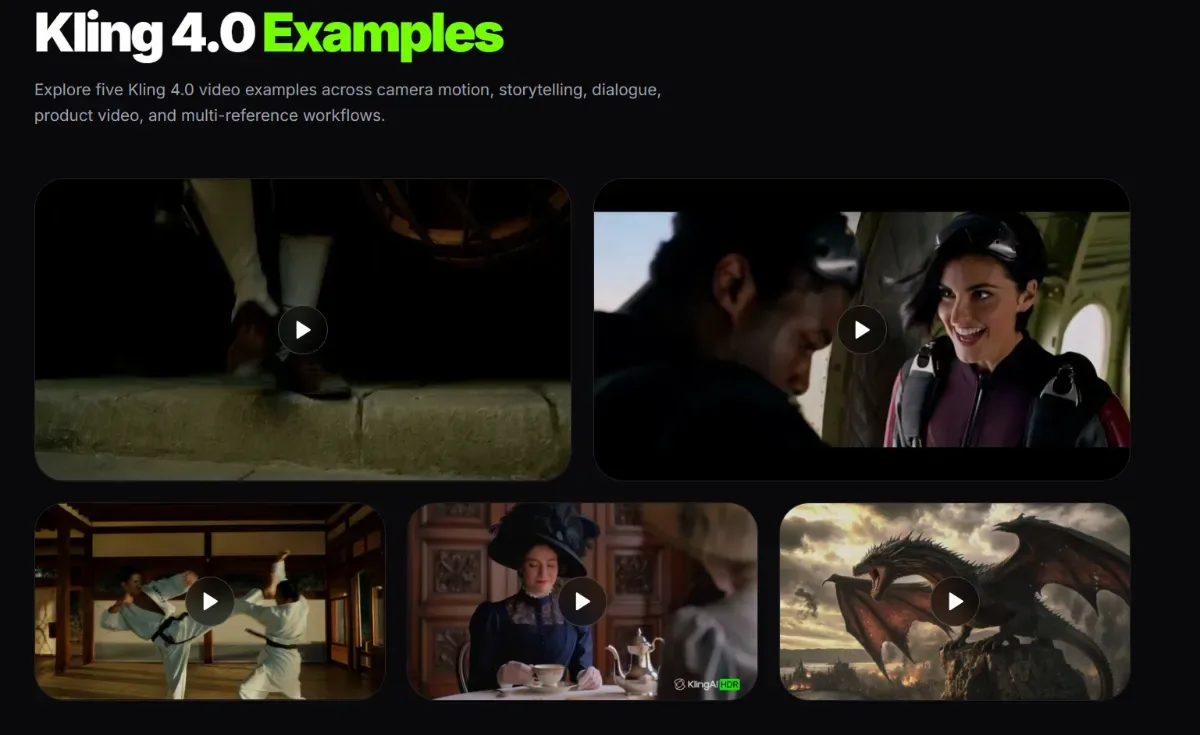
The multi-keyframe workflow described on the Kling 4.0 page raises a practical question: which details should stay fixed from one frame to the next?
Check the object against its surroundings
A different camera angle can make an object appear to have moved. Before changing a frame, compare the cup with the items around it.
Is it still beside the notebook? Does the handle still point toward the notebook? Is the spoon on the same side of the saucer?
These relationships are more useful than directions such as “left” or “right.” Screen direction changes with the camera, but the cup can still remain in the same place on the table.
A short note can make this easier to check:
White cup beside the open notebook, handle toward the notebook. Spoon on the saucer. Phone face down.
There is no need to record every decoration in the room. Focus on objects that sit near the action, have a recognizable position or will be used later in the scene.
Give each change a reason
Suppose the character picks up the cup, takes a drink and puts it back down. The cup may return at a slightly different angle. That change makes sense because the character moved it.
Other changes are harder to explain. The notebook closes while nobody touches it. The spoon disappears. The phone turns over between two moments.
For each difference, ask one simple question:
What caused this?
If the action provides an answer, the change may belong in the scene. If it does not, the frame needs another look.
Conflicting reference images can cause similar confusion. If one image shows a short cup and another shows a tall mug, choose which one defines the prop before arranging the keyframes.
Follow the cup through the full clip
Matching keyframes are only part of the review. The cup can look correct at the beginning and end but still change shape while it is being lifted.
Watch the full clip once for the main action. Then watch it again while following the cup through the reach, lift and return. Look for sudden rotation, changes in size, missing details or an awkward grip.
If something shifts, find the first moment where it happens. Adjust the relevant frame or instruction, then review the complete sequence again.
Before approving the clip, watch it once without following the character. Follow the cup.