

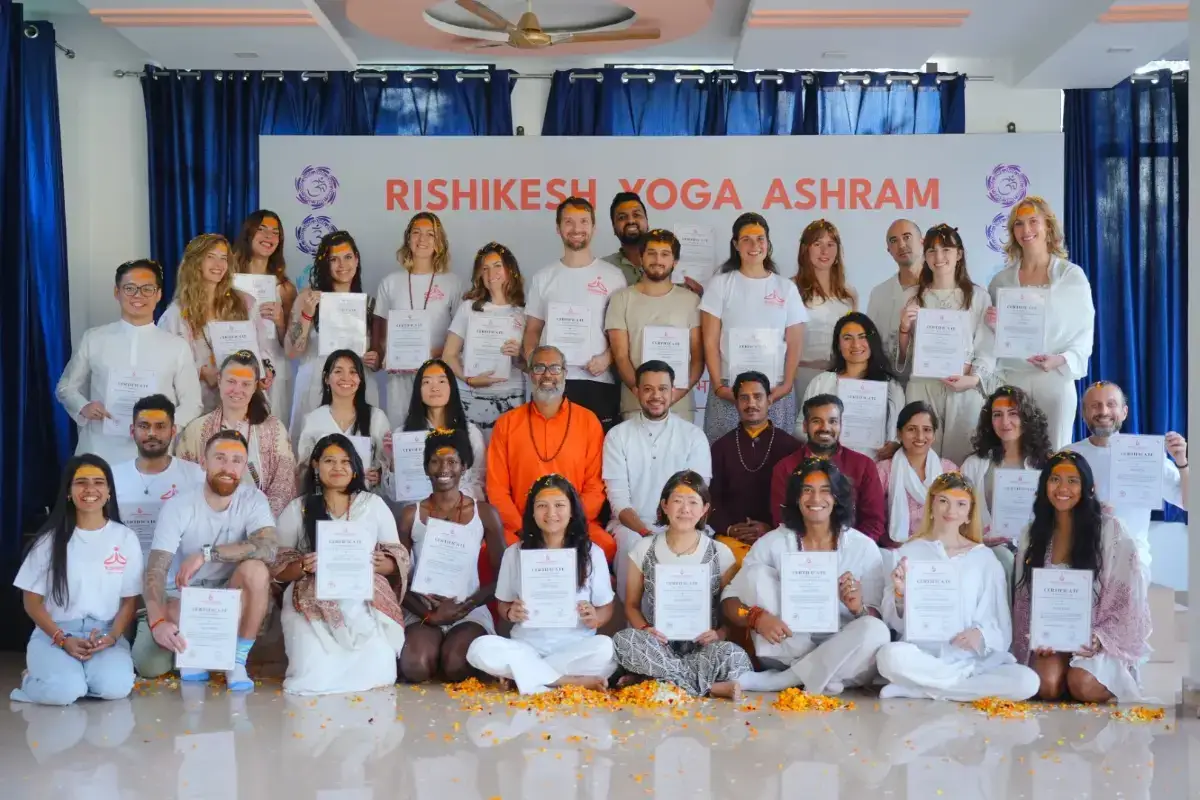
Do you often feel tired, sluggish, or less motivated during the day? A busy schedule, long hours of sitting, poor sleep habits, and limited physical activity can affect how energetic you feel. Yoga offers a gentle way to move your body, improve body awareness, and create refreshing breaks throughout the day.
If you want to explore yoga beyond daily practice, you can learn about Yoga teacher training in rishikesh, 200 hour yoga teacher training in rishikesh, and 300 hour yoga teacher training in rishikesh. These programs introduce traditional yoga practices, including postures, breathing, and meditation.
How Yoga Can Support Your Energy Levels
Yoga combines physical movement with controlled breathing and relaxation. A regular, suitable practice may help you feel more active and refreshed.
Some potential benefits include:
- Encourages movement: Gentle poses help break up long periods of sitting.
- Supports circulation: Physical movement encourages blood flow throughout the body.
- Improves body awareness: Mindful practice helps you notice tension and physical fatigue.
- Promotes relaxation: Slow breathing can help you manage everyday stress.
- Supports mobility: Stretching helps maintain comfortable movement.
- Creates a healthy routine: Regular yoga sessions can encourage a more active lifestyle.
Yoga is not a replacement for adequate sleep, balanced nutrition, hydration, or medical care if you experience ongoing fatigue.
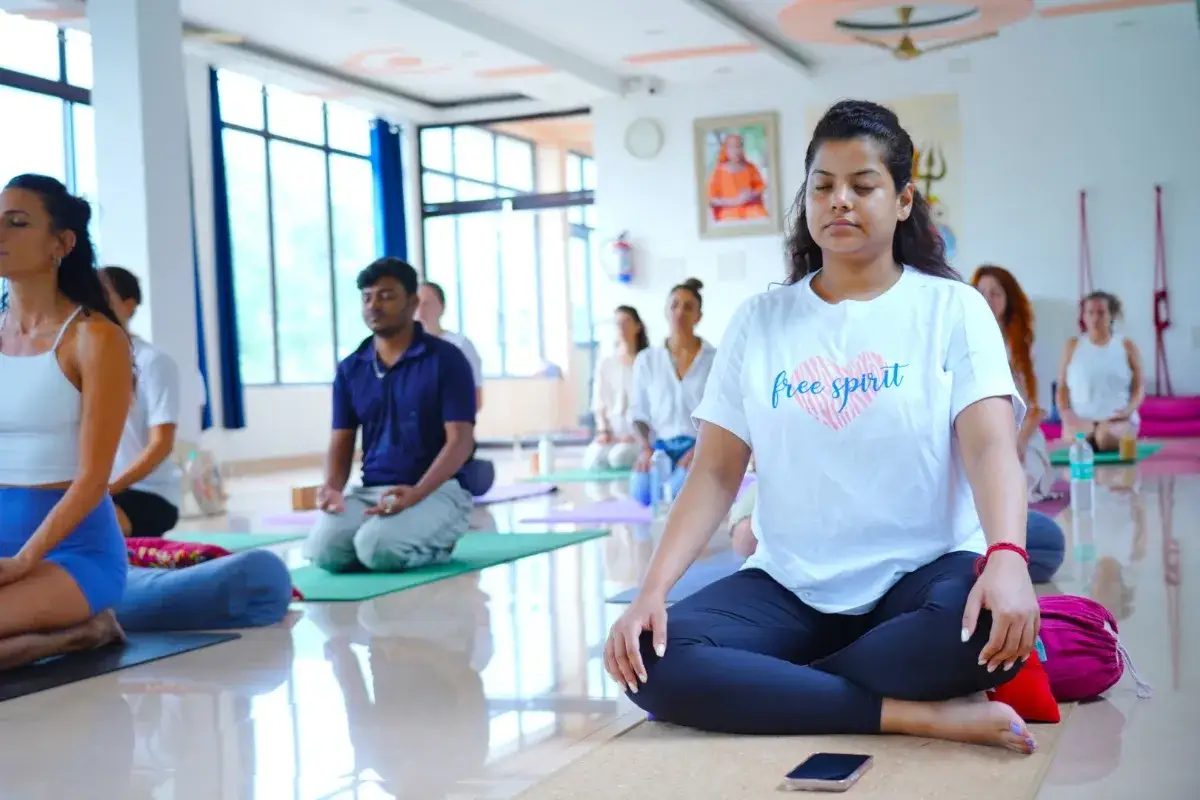
7 Yoga Poses to Help You Feel Refreshed
1. Mountain Pose (Tadasana)
Mountain Pose encourages an upright posture and helps you become aware of your body.
How to practise:
- Stand with your feet hip-width apart.
- Distribute your weight evenly across both feet.
- Relax your shoulders and lengthen your spine.
- Let your arms rest naturally beside your body.
- Take five slow, comfortable breaths.
2. Sun Salutation (Surya Namaskar)
Sun Salutation is a flowing sequence that combines several yoga postures. It can be a practical way to introduce movement into your morning.
How to practise:
- Stand upright with your hands together at your chest.
- Inhale and raise your arms overhead.
- Exhale and fold forward comfortably.
- Step back into a lunge or plank variation.
- Move through a suitable backbend and downward-facing dog.
- Step forward and return to standing.
Begin with two or three slow rounds. Learn the sequence with guidance if you are unfamiliar with it.
3. Chair Pose (Utkatasana)
Chair Pose activates the legs and encourages controlled movement.
How to practise:
- Stand with your feet together or hip-width apart.
- Inhale and raise your arms.
- Exhale and bend your knees as if sitting in a chair.
- Keep your chest lifted and your weight balanced.
- Hold for 10–20 seconds before standing again.
4. Cobra Pose (Bhujangasana)
Cobra Pose gently opens the front of the body and encourages spinal movement.
How to practise:
- Lie on your stomach.
- Place your palms near your chest.
- Keep your elbows close to your sides.
- Inhale and gently lift your chest.
- Keep your shoulders relaxed and hold for 10–20 seconds.
5. Warrior I (Virabhadrasana I)
Warrior I combines a standing posture with a gentle stretch through the front of the body.
How to practise:
- Stand with your feet wide apart.
- Step one foot forward and turn the back foot slightly outward.
- Bend your front knee comfortably.
- Raise your arms overhead if your shoulders allow.
- Keep your torso upright and breathe steadily.
- Hold for 15–20 seconds before changing sides.
6. Downward-Facing Dog (Adho Mukha Svanasana)
This pose stretches the back of the legs and encourages full-body movement.
How to practise:
- Begin on your hands and knees.
- Spread your fingers and press your palms into the mat.
- Tuck your toes and lift your hips.
- Lengthen your spine and keep your knees slightly bent if needed.
- Breathe comfortably for 20–30 seconds.
7. Bridge Pose (Setu Bandhasana)
Bridge Pose gently activates the hips and legs while opening the front of the body.
How to practise:
- Lie on your back with your knees bent.
- Place your feet flat on the floor.
- Keep your arms beside your body.
- Press through your feet and lift your hips.
- Hold for 15–20 seconds.
- Lower slowly and relax.
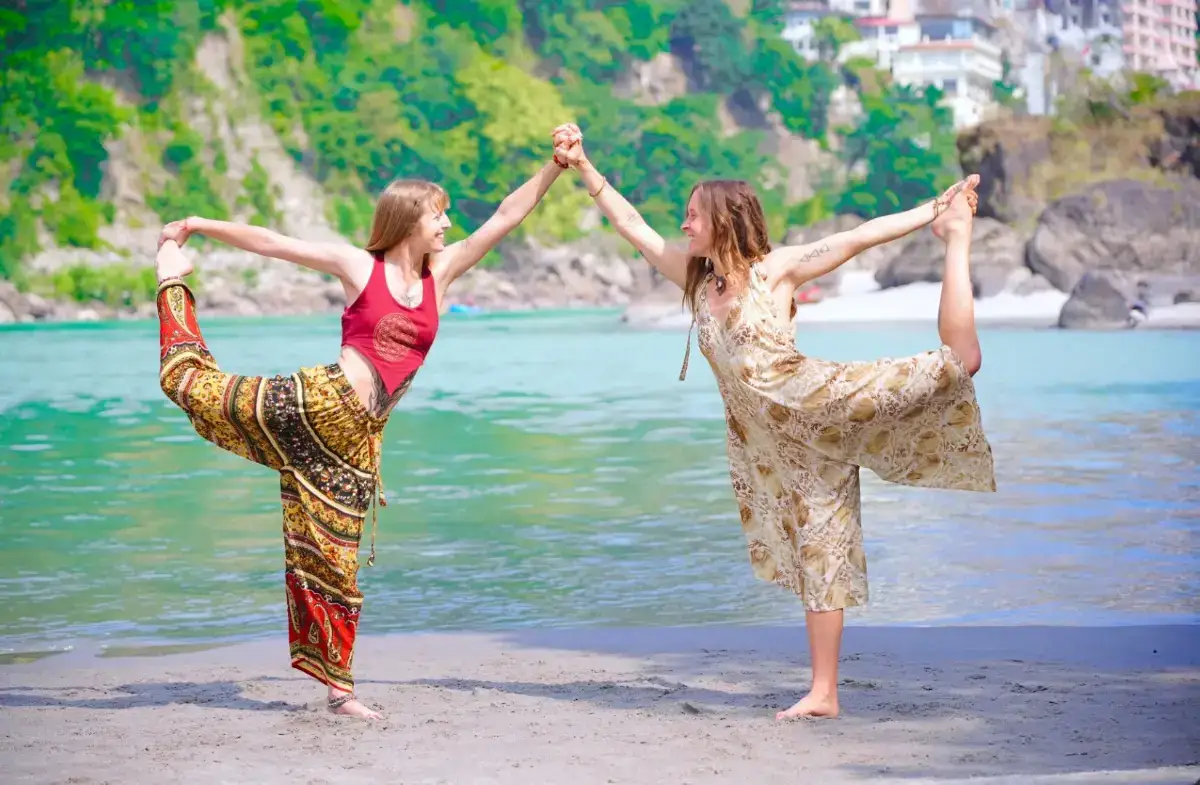
A 15-Minute Yoga Routine for Daily Energy
Try this simple routine in the morning or during an afternoon break.
Adjust the sequence to your experience and physical comfort. Beginners can take longer breaks between poses.
Daily Habits That Support Natural Energy
Yoga works best when combined with healthy everyday habits.
- Maintain a sleep routine: Aim for consistent, sufficient sleep.
- Stay hydrated: Drink water regularly throughout the day.
- Eat balanced meals: Include a variety of nutritious foods.
- Take movement breaks: Avoid sitting continuously for several hours.
- Spend time outdoors: A walk in natural daylight can be refreshing.
- Manage stress: Use breathing exercises or meditation to create moments of calm.
Safety Tips for Beginners
Start with gentle movements and avoid pushing your body into difficult positions. Warm up before practising stronger poses, and use a wall or chair for support when needed.
If you feel dizzy, unusually breathless, or unwell, stop and rest. People with injuries or medical conditions should seek appropriate professional advice before beginning a new exercise routine. Persistent or unexplained tiredness should be discussed with a healthcare professional rather than managed through yoga alone.
Conclusion
Yoga can help you add movement, stretching, and mindful breathing to your everyday routine. Simple poses such as Mountain Pose, Warrior I, and Sun Salutation can make a short session feel refreshing and enjoyable.
Start with a few minutes each day and gradually develop a routine that suits your lifestyle. Combine regular yoga with good sleep, hydration, nutritious meals, and healthy daily habits to support your overall well-being.